Sell With Avila Home Group

Your home deserves more than a sign in the yard.

Selling well requires more than putting a property online. It takes a thoughtful strategy for preparation, pricing, positioning, marketing, negotiation and everything that comes next.

West Michigan Strategic Guidance English + Español
150+
Families Served
$25M+
Closed Sales Volume
Associate
Broker
Experience & Guidance
English +
Español
Bilingual Service
Experience matters when the decisions get complicated.
YOUR MOVE. YOUR STRATEGY.

Selling Your Home Isn't Just
About Selling a House.

Every seller has a different reason for moving.
And every move deserves a strategy built around what comes next.

01

Moving Up

Your current home helped get you here. Now it may be time for more space, a different location, or simply something that fits the life you're building.

02

Downsizing

Less home can mean more freedom. The right plan helps coordinate what you're selling, what you're keeping, and where you're going next.

03

Relocating

Whether you're moving across Michigan or across the country, timing and coordination become just as important as price.

04

Life Transitions

Sometimes a move isn't planned years in advance. When circumstances change, you need a clear strategy without unnecessary pressure.

05

Selling & Buying

When one move depends on another, the strategy matters. We'll plan the sale and purchase together so the pieces work as one move.

Your reason for moving determines the strategy.

That's Why We Begin With
Your Goals.

Not the listing agreement.

Selling + Buying

Your next home changes the selling strategy.

If you're selling because you're planning to buy another home, these aren't two unrelated transactions. They're one move—and the decisions made on one side can affect the other.

Before we decide how to sell your current home, we should understand where you're trying to go next.

The Questions We Solve First
01

Sell first or buy first?

We look at the potential advantages, limitations and risks of each sequence based on your current home, financing, timeline and goals.

02

How does my equity fit into the move?

We can estimate potential proceeds from your current home so you can better understand how the sale may affect the financial side of your next purchase.

03

How do we coordinate the timing?

Closing dates, possession, financing and the next-home search all matter. We plan for the preferred scenario while also discussing backup options if timing changes.

One Coordinated Plan

Map the move before making the move.

01

Understand Your Current Home

Review likely market position, preparation needs, potential timing and estimated proceeds.

02

Understand Your Buying Position

Coordinate with your lender when financing is involved so you understand potential purchasing options before committing to a sequence.

03

Choose the Sequence

Evaluate selling first, buying first or coordinating the transactions based on the options actually available to you.

04

Build the Timing Plan

Consider closing dates, possession, moving logistics and backup scenarios before the process gains momentum.

05

Execute as One Move

Keep the sale and purchase strategies connected so decisions on one transaction account for what is happening on the other.

Not sure which should come first— selling or buying?

You don't need to have the sequence figured out before we talk. That's exactly what the planning conversation is designed to help you understand.

The Avila Selling Method

Six decisions.
One coordinated strategy.

Selling well isn't one decision made on listing day. It's a series of decisions about how your home is priced, prepared, positioned, presented, negotiated and ultimately brought to closing.

Reviewing real estate market data and pricing strategy 01
01 · Strategic Pricing

Price With Purpose

Position before you price.

We study recent sales, active competition, property condition, buyer behavior and your goals to determine how your home should enter the market. The objective isn't simply choosing a price. It's creating the right market position from day one.

Explore Strategic Pricing →
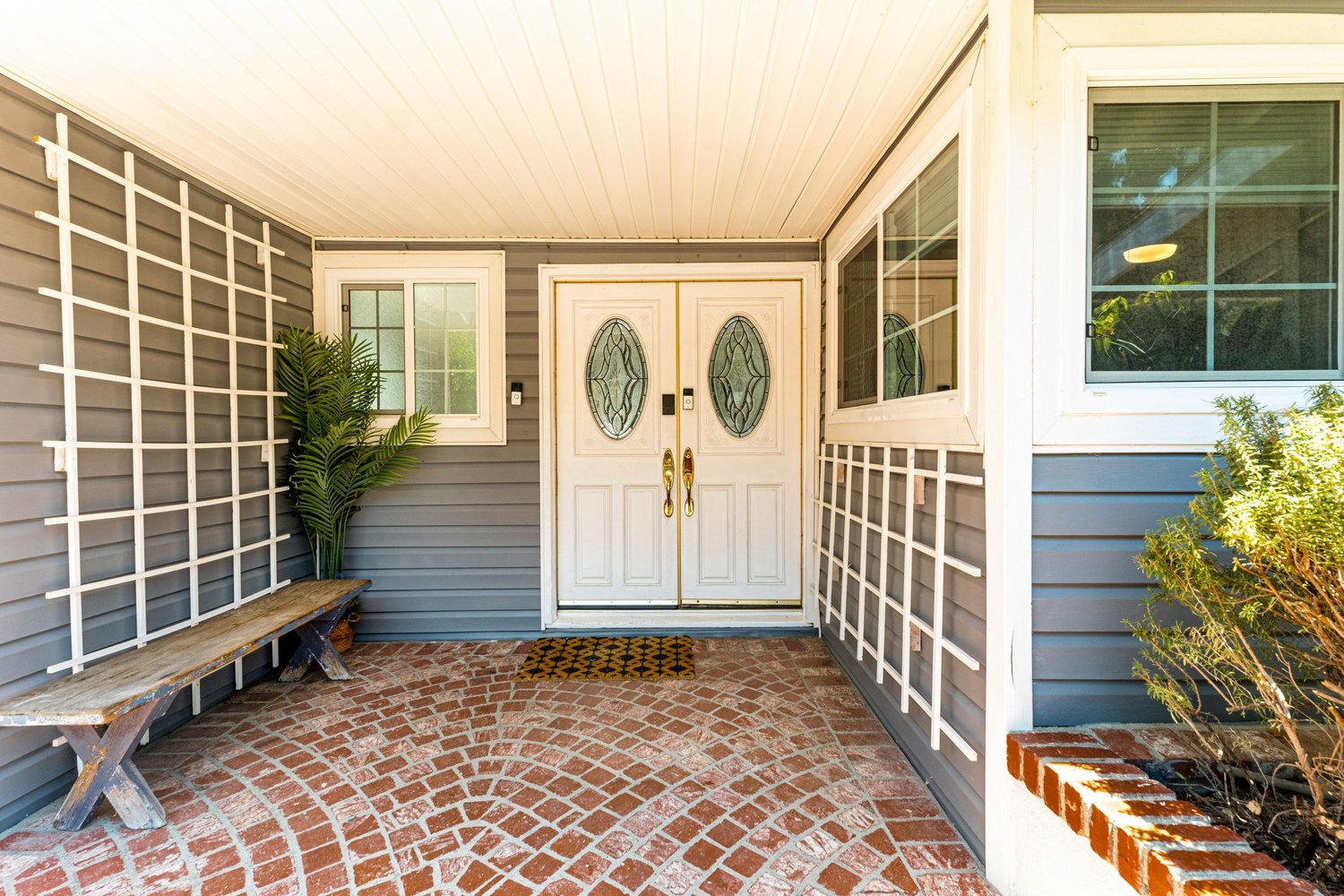
Preparing and presenting a home before sale 02
02 · Home Preparation

Prepare With Purpose

Improve what matters.

Not every home needs a renovation before it sells. We identify the repairs, presentation improvements and finishing details that deserve attention—and help separate those from projects that may not be worth your time or money.

Explore Home Preparation →

Professionally presented residential property 03
03 · Strategic Positioning

Create the Right Story

Every home competes differently.

We identify the property's meaningful features, improvements and characteristics and consider how the home compares with competing inventory. That strategy helps shape how the property is presented when it reaches the market.

Explore Strategic Positioning →
Professional real estate photography and property marketing 04
04 · Media & Marketing

Launch With Intention

Presentation creates attention.

Photography, property presentation, online exposure, digital marketing and launch strategy work together to introduce your home to the market. Marketing isn't one post or one website. It's how the entire presentation works together.

Explore Media & Marketing →

Reviewing a real estate offer and negotiation terms 05
05 · Offers & Negotiation

Evaluate More Than Price

The highest offer isn't always the strongest.

Price matters, but so can financing, contingencies, inspections, appraisal exposure, concessions, closing timeline and possession. We break down the terms and trade-offs so you can make an informed decision about the offer in front of you.

Home closing and real estate transaction management 06
06 · Contract to Closing

Protect the Finish

An accepted offer isn't the finish line.

Inspections, appraisal, title, financing, contractual deadlines, closing preparation and possession still need to be coordinated. We stay engaged through the details so you understand what's happening and what comes next.

Explore Closing Management →
Strategy Before Activity

Your selling strategy should start with your goals.

No two sellers have exactly the same priorities. Before deciding when to list, what to change or how to position your home, we start by understanding what you're trying to accomplish—and what needs to happen after the sale.

Start a Seller Conversation
Seller Resources

Knowledge Before Decisions.

Selling a home comes with a lot of questions. These resources are designed to help you understand your options, prepare intelligently, and move forward with confidence.

01
01 — LEARN

Seller's Guide

Understand the selling process, what to expect, and the decisions you'll encounter before your home ever reaches the market.

Explore the Guide
03
03 — PREPARE

Seller Preparation Checklist

Know what to clean, organize, repair, update, and leave alone before preparing your home for the market.

Get the Checklist
04
04 — PLAN

Moving Checklist

Stay organized before, during, and after your move with a practical roadmap for all the little details that are easy to forget.

Get the Checklist
05
05 — UNDERSTAND

Seller Closing Costs

Understand the common expenses that may affect what you walk away with when selling a home, from mortgage payoffs and transfer taxes to negotiated credits and transaction costs.

Explore Closing Costs
06
06 — STAY INFORMED

West Michigan Market Updates

Follow local housing trends, inventory, pricing, and market conditions that can help put your real estate decisions into context.

View Market Updates

Resources can answer questions. A conversation can help build your strategy.

Let's Start a Conversation
Seller + Move-Up Questions

Questions are normal.
Clarity should be too.

Explore answers to common questions West Michigan homeowners ask when preparing to sell, moving up, and coordinating the sale of one home with the purchase of the next.

Selling Your Home
Your home's value depends on more than an automated estimate or a neighboring sale. Recent comparable sales, current competition, condition, location, improvements, buyer demand, and current market conditions all influence potential market value. A property-specific market analysis provides a stronger foundation for pricing decisions.
Your estimated net proceeds are your sale price minus applicable mortgage and lien payoffs, negotiated brokerage compensation, transfer taxes, title or settlement expenses, prorations, concessions, credits, and other transaction-specific costs. That is why estimated net proceeds are often more useful for planning than the sale price alone.
Sometimes, but not automatically. The objective is not to renovate the home for the next owner. It is to identify improvements that may meaningfully improve presentation, marketability, or buyer perception while avoiding unnecessary spending. Start with a preparation strategy before beginning major projects.
A pre-listing inspection can be useful in some situations, but it is not necessary for every seller. It may help identify issues before buyers do, while also creating information that needs to be evaluated carefully. The decision should be based on the home's condition, your selling strategy, and applicable disclosure obligations.
There is no universal timeline. Price, condition, location, inventory, buyer demand, financing, seasonality, and competing listings can all affect market time. The timeline after accepting an offer also depends on financing and the terms negotiated in the purchase agreement.
The next step is to evaluate the evidence rather than immediately guess. Showing activity, buyer feedback, online engagement, current competition, recent sales, presentation, condition, and price can all provide useful information about how the market is responding.
Not every home needs professional staging. Strategic furniture placement, decluttering, lighting, cleaning, and thoughtful presentation can often improve the way buyers experience the property. The goal is to help buyers understand the space without making the home feel sterile.
Michigan law requires many residential sellers to provide a Seller's Disclosure Statement addressing specified property conditions and known issues, subject to statutory requirements and exemptions. Sellers should answer disclosure questions accurately based on their knowledge and obtain appropriate legal guidance when they are uncertain about an obligation.
Price is only one part of an offer. Financing, contingencies, inspection provisions, appraisal considerations, closing timing, possession, concessions, and the overall likelihood of closing can all matter. The objective is to evaluate the complete offer against your priorities.
Not necessarily. A seller can evaluate the complete terms of the offers received, subject to applicable contractual and legal obligations. The highest price does not automatically mean the strongest overall combination of proceeds, timing, terms, and certainty.
Selling costs vary by transaction. Potential expenses can include mortgage and lien payoffs, brokerage compensation negotiated in your agreement, Michigan transfer taxes, settlement or title-related expenses, prorations, concessions, repair credits, and other property-specific costs. A seller net sheet can help put these numbers into context.
Earlier than many homeowners expect. Starting several months ahead can provide time to evaluate repairs, organize the home, understand potential value, review finances, and build a thoughtful launch plan without rushing.
Selling + Buying Your Next Home
Not necessarily. Selling first, buying first, or coordinating both can each make sense depending on your finances, equity, financing options, available inventory, risk tolerance, and timing. The right sequence should be built around your complete situation rather than a universal rule.
Depending on your financial situation and available financing options, the transactions may be coordinated through sale timing, a home-sale contingency, available equity, or another financing structure. A qualified lender should review your specific financing options before the purchase strategy is chosen.
Potentially. Whether it is financially possible and how competitive the offer may be depends on your financing, current obligations, available funds, and the terms you can offer. Reviewing financing and your current home's expected marketability before shopping can help prevent surprises.
That possibility should be planned for before your property is listed. Depending on the transaction, options may include negotiated post-closing occupancy, temporary housing, storage, or other transition arrangements. Availability and terms depend on the contracts, parties, financing, and circumstances.
Sometimes two closings can be coordinated closely, including on the same day. Doing so creates dependencies between two separate transactions, which means title, financing, proceeds, possession, and closing logistics need careful coordination. Backup plans are useful when one transaction depends on the other.
Equity is generally the difference between your home's current value and what you owe against it. For move-up planning, estimated net proceeds are often more useful because transaction costs and other obligations can reduce the amount available for the next purchase.
That is a broader financial-planning decision. Down payment requirements, monthly payment goals, emergency reserves, moving expenses, repairs, debt obligations, and longer-term financial priorities should all be considered with your lender and other appropriate financial professionals.
Mortgage rates matter, but they are only one variable. Waiting may also change home prices, inventory, competition, your current home's value, and your personal circumstances. Rather than trying to predict rates, compare several realistic scenarios and evaluate what each could mean for your overall move.
If both your current property and the home you want change in value, waiting can affect both sides of the equation. The useful question is not simply whether prices may rise or fall, but how potential changes in your sale proceeds, purchase price, financing, and monthly payment could affect the complete transition.
Start with the complete monthly housing expense and your broader financial picture rather than only the maximum loan amount available. A lender can determine financing eligibility, while an affordability analysis can help you consider what payment range fits your goals.
The sale strategy, purchase strategy, financing, contingencies, closing dates, possession, and backup plan should be coordinated before offers are written whenever possible. No strategy can eliminate every risk, but sequencing both sides together can reduce unwanted overlap.
Start with the numbers before looking at houses. Estimate your current home's potential value, understand possible net proceeds, review financing with a lender, identify a comfortable monthly payment, and then build the sell-and-buy timeline. That turns “we need more space” into an actual plan.

Still have a question? Your situation may need more than a general answer.

Talk Through My Situation
Your Next Chapter

You don't have to be ready to sell to start planning.

Whether you're thinking about selling soon or simply trying to understand what your options might look like, we can start with a conversation. No pressure. Just a clearer picture of your home's position, your potential next steps and what makes sense for you.

Serving homeowners throughout West Michigan · English + Español