Living in
Grand Rapids,
Michigan
Explore Grand Rapids neighborhoods, housing, parks, local destinations, everyday living, and real estate — all in one local guide designed to help you better understand the city.
Neighborhoods • Housing • Parks • Local Life
GET TO KNOW GRAND RAPIDS
Grand Rapids is located in Kent County in West Michigan and serves as the region's largest urban center. The city combines established residential neighborhoods, an active downtown, parks and trails, local businesses, cultural destinations, and convenient access to communities throughout the greater Grand Rapids area.
Get to know
Grand Rapids.
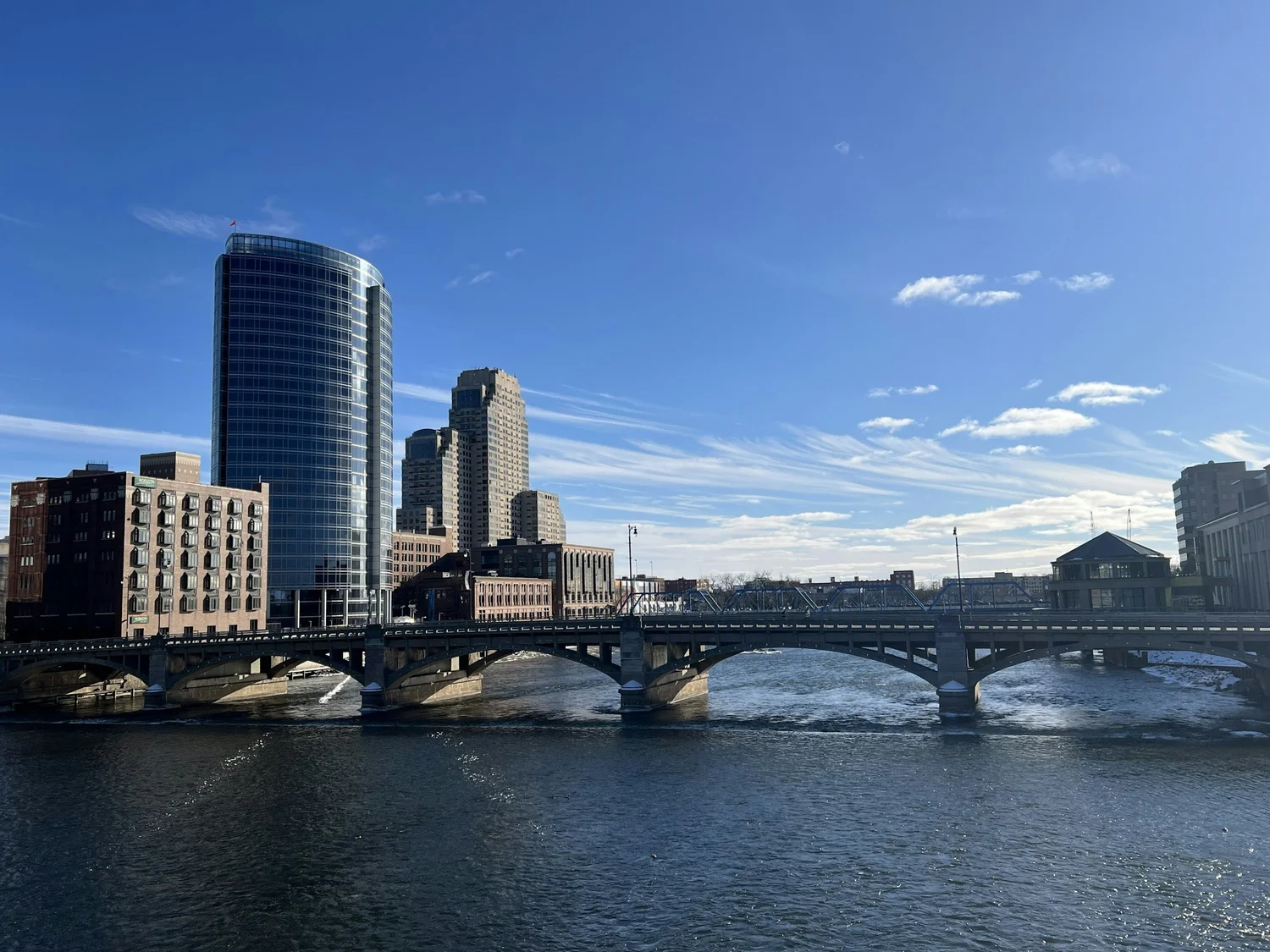
Grand Rapids is the largest urban center in West Michigan and the county seat of Kent County. The Grand River runs through downtown, while residential neighborhoods extend throughout the city in every direction.
U.S. Census Bureau
2025 population estimate
Grand Rapids serves as Kent County's county seat.
The city's location provides access throughout the greater Grand Rapids area.
The river runs directly through downtown Grand Rapids.
WHAT IS GRAND RAPIDS, MICHIGAN LIKE?
Grand Rapids combines an urban downtown with distinct residential neighborhoods.
Grand Rapids is a city in Kent County in West Michigan. Its housing and built environment vary considerably from one part of the city to another, with older traditional neighborhoods, mid-20th-century areas, modern residential areas, mixed-use corridors, and an urban downtown.
For someone considering a move, that variety means the experience of living in Grand Rapids can differ depending on the part of the city you choose. Understanding the neighborhoods, housing styles, nearby amenities, property characteristics, and your own priorities is an important part of evaluating a home here.
One city.
Many different
settings.
Grand Rapids is not one uniform housing market. Different parts of the city were developed during different periods and can offer very different streetscapes, housing types and property characteristics.
Traditional Neighborhoods
Older portions of Grand Rapids often feature connected street grids, smaller blocks and established housing close to neighborhood commercial areas.
Mid-Century Areas
Other parts of the city reflect later development patterns, creating a different mix of lot sizes, street layouts and residential architecture.
Urban & Mixed-Use Areas
Downtown and several commercial corridors combine housing with restaurants, businesses, offices, entertainment and other city destinations.
Don't choose Grand Rapids from a map alone.
Two homes with the same Grand Rapids mailing address can offer very different property styles, surroundings and ownership considerations. When comparing homes, look beyond the listing photos and consider the specific property, location, municipal information and the features that matter to you.
EXPLORE GRAND RAPIDS NEIGHBORHOODS ↓Hello, World!
Grand Rapids
neighborhoods.
Grand Rapids is made up of many distinct neighborhoods and residential areas. Housing styles, street patterns, nearby amenities and proximity to downtown can vary considerably depending on where you are in the city.
What neighborhoods are in Grand Rapids, Michigan?
Grand Rapids includes numerous neighborhoods and residential areas, including Heritage Hill, Eastown, Creston, the West Side, Midtown, Alger Heights, Riverside Gardens and Garfield Park.
Each area has its own location within the city, development history, housing characteristics and access to nearby businesses, parks and major roads. Buyers researching Grand Rapids should compare individual properties and locations based on the features that matter to them.
Heritage Hill
Heritage Hill sits immediately east of downtown and is recognized for its historic residential architecture. The area contains homes representing numerous architectural periods and styles.
HISTORIC ARCHITECTURE · CENTRAL LOCATIONEastown
Eastown is located east of downtown Grand Rapids and includes residential streets alongside a recognizable neighborhood business district centered around local shops, restaurants and services.
RESIDENTIAL · BUSINESS DISTRICTCreston
Creston covers a substantial portion of northern Grand Rapids. The area includes residential streets, commercial corridors and access to parks and other destinations on the city's north side.
NORTH SIDE · RESIDENTIAL · COMMERCIALWest Side
Grand Rapids' West Side extends west of the Grand River and downtown. It includes established residential areas along with commercial corridors and redevelopment near the city's urban core.
WEST SIDE · URBAN CORE · RESIDENTIALMidtown
Midtown is located east of downtown and includes a mix of residential streets, businesses, institutions and connections to several of Grand Rapids' central commercial corridors.
CENTRAL CITY · RESIDENTIAL · MIXED USEAlger Heights
Alger Heights is located in southeast Grand Rapids and includes established residential streets along with a neighborhood commercial area around the Eastern Avenue corridor.
SOUTHEAST SIDE · ESTABLISHED HOUSINGRiverside Gardens
Riverside Gardens is located on the northeast side of Grand Rapids near the Grand River. Riverside Park is a major geographic feature of this portion of the city.
NORTHEAST SIDE · GRAND RIVER · PARKSGarfield Park
The Garfield Park area is located south of downtown and is centered around the park that shares its name. The surrounding area includes established residential streets and connections to major city corridors.
SOUTH SIDE · PARK · RESIDENTIALThe neighborhood name is only the starting point.
Neighborhood boundaries and commonly used area names don't always tell the entire story of a property. Conditions can vary block by block, and two homes within the same general area may differ significantly in age, lot characteristics, renovation history and proximity to amenities.
When considering a home, evaluate the individual property and use independent municipal, transportation, school, environmental and other resources for information that matters to your decision.
Explore the city.
Then find the home
that fits your priorities.
Avila Home Group can help you understand properties, locations and the home-buying process while you compare your options throughout Grand Rapids and West Michigan.
TALK WITH AVILA HOME GROUP →
Buying a home
in Grand Rapids.
Grand Rapids offers a varied housing landscape. Depending on the location, buyers may encounter older established homes, mid-century properties, newer construction, condominiums, townhomes and multi-unit residential properties.
What should I know before buying a home in Grand Rapids?
When buying a home in Grand Rapids, look beyond the purchase price and evaluate the individual property, its condition, location, taxes, zoning, potential improvements and other ownership costs.
Because Grand Rapids developed over many decades, properties can differ substantially in age, construction, lot characteristics and previous renovations. A home's inspection, disclosures, municipal information and property-specific records can help buyers better understand what they are purchasing.
A city with a varied housing stock.
These figures provide broad context for housing within the City of Grand Rapids. They should not be interpreted as a current estimate of what a particular home will sell for.
Owner-occupied housing unit rate, 2020–2024.
U.S. CENSUS BUREAUCensus estimate for owner-occupied housing units, 2020–2024.
NOT A CURRENT MEDIAN SALE PRICE
Different homes.
Different things
to consider.
Established Homes
Many areas of Grand Rapids contain homes built decades ago. Buyers should pay attention to the property's current condition, improvements and maintenance history rather than relying on age alone.
Mid-Century Housing
Later-developed portions of the city may offer different floor plans, lot configurations, garages and construction characteristics than older neighborhoods closer to the urban core.
Condos & Townhomes
Attached housing can offer a different ownership structure. Buyers should review association documents, fees, responsibilities, rules and financial information when applicable.
Multi-Unit Properties
Grand Rapids also contains duplexes and other multi-unit housing. Zoning, existing leases, occupancy, utilities and property use should be investigated carefully before purchasing.
Five things worth checking on a Grand Rapids property.
Property Condition
Use the inspection period and available property information to understand the home's major systems, condition and potential maintenance needs.
Property Taxes
Review property-tax information and discuss how a purchase may affect future taxable value rather than assuming the seller's current tax bill will remain unchanged.
Zoning & Property Use
If future use, rental plans, additions or another property change matters to you, verify the applicable zoning and requirements with the City.
Renovations & Permits
Renovations involving structural, electrical, plumbing, mechanical or other regulated work may require permits. Property-specific questions should be confirmed with the appropriate City department.
Location-Specific Information
Evaluate the specific location using independent resources for transportation, municipal services, schools, environmental information and other factors important to your decision.
Some Grand Rapids properties have historic considerations.
Grand Rapids has locally designated historic districts and historic landmarks. If a property is within a designated historic district or is a designated landmark, certain exterior alterations may be subject to additional review or approval requirements.
Buyers considering renovations should verify the property's status and applicable requirements directly with the City before assuming a planned alteration will be permitted.
What is the housing market like in Grand Rapids?
Grand Rapids real estate conditions change throughout the year, so today's inventory, sale prices, days on market and competition should be evaluated using current local market data.
Citywide statistics can provide useful context, but they don't determine the value of an individual home. Property type, condition, location, improvements, comparable sales and current buyer activity all play a role.
Market statistics become outdated quickly. Current market information should be dated and updated rather than presented indefinitely as today's market.
Understand the home
before you make
the move.
Have a question about a Grand Rapids property? Avila Home Group can help you evaluate the home, understand the buying process and identify the information you'll want before making a decision.
ASK A REAL ESTATE QUESTION →
Parks, outdoors
& things to do.
Grand Rapids offers more than a place to live. Parks, the Grand River, museums, public spaces, cultural destinations and year-round recreation are woven throughout the city.
or Riverside Park PHOTO PLACEHOLDER — WE'LL ADD YOUR IMAGE
The outdoors is part of the Grand Rapids experience.
Grand Rapids maintains parks, trails, natural areas and recreational facilities throughout the city, with the Grand River serving as one of its defining geographic features.
Depending on the location and season, recreation opportunities can include walking, biking, paddling, swimming, playgrounds, sports, golf, outdoor fitness and winter activities.
Places to get outside.
Grand Rapids has parks and public spaces of different sizes and purposes throughout the city. Here are a few recognizable places to begin exploring.
Riverside Park
A large riverfront park on the city's northeast side with access to the Grand River and space for a variety of outdoor activities.
GRAND RIVER · OUTDOORSRosa Parks Circle
A downtown public gathering space used for activities and events throughout the year, including seasonal ice skating.
DOWNTOWN · PUBLIC SPACEBelknap Park
A city park north of downtown with recreational facilities and elevated terrain near the Belknap Lookout area.
RECREATION · NORTH SIDEGarfield Park
A substantial neighborhood park on the south side of Grand Rapids surrounded by established residential areas.
PARK · SOUTH GRAND RAPIDS
Things to do in
Grand Rapids.
From museums and gardens to downtown events and entertainment, Grand Rapids offers a range of destinations throughout the city.
Frederik Meijer Gardens & Sculpture Park
Gardens · Sculpture · Exhibitions · Events
Grand Rapids Public Museum
History · Science · Culture · Exhibitions
Gerald R. Ford Presidential Museum
American History · Exhibitions · Downtown
Grand Rapids Art Museum
Art · Exhibitions · Downtown
John Ball Zoo
Animals · Exhibits · Outdoor Experiences
Downtown Grand Rapids
Dining · Events · Entertainment · Riverfront
What is there to do in Grand Rapids, Michigan?
Things to do in Grand Rapids include exploring city parks and the Grand River, visiting museums and cultural attractions, attending downtown events, enjoying local dining and entertainment, and participating in year-round recreation.
Recognizable destinations include Frederik Meijer Gardens & Sculpture Park, the Grand Rapids Public Museum, Gerald R. Ford Presidential Museum, Grand Rapids Art Museum, John Ball Zoo and Rosa Parks Circle.
Grand Rapids
throughout the
year.
Recreation in Grand Rapids changes with Michigan's seasons, which means the way residents use the city's outdoor spaces changes throughout the year as well.
Parks, trails, gardens and outdoor spaces return to regular warm-weather activity.
Pools, splash pads, paddling, outdoor events and recreation become part of the city's summer calendar.
Cooler temperatures bring a different season for exploring parks, trails and West Michigan outdoors.
Seasonal activities can include ice skating, snowshoeing, fat-tire biking and other winter recreation.
There's more to choosing a city than the house itself.
Housing is one part of the decision. Understanding transportation, everyday services, local destinations and how the city connects to the rest of West Michigan can provide additional context when considering a move.
CONTINUE EXPLORING GRAND RAPIDS ↓
Where is
Grand Rapids?
Grand Rapids is located in Kent County in West Michigan. Its location connects the city with surrounding Grand Rapids communities, Gerald R. Ford International Airport, major regional roads and destinations along Lake Michigan.
Grand Rapids
KENT COUNTY · MICHIGAN
A regional center with connections beyond the city.
Grand Rapids serves as a central point for many communities throughout Kent County and the broader West Michigan region.
Major roadways connect the Grand Rapids area with communities throughout Michigan, while the city's position inland from Lake Michigan provides access to lakeshore destinations to the west.
Michigan
Grand Rapids is the largest urban center in the West Michigan region.
County
Grand Rapids serves as the county seat of Kent County.
30 Miles
Lake Michigan is approximately 30 miles west of Grand Rapids.
Gerald R. Ford International Airport serves the greater Grand Rapids area.
Communities around Grand Rapids.
Grand Rapids sits within a larger network of cities, townships and communities. Understanding their locations can help when comparing properties throughout the greater Grand Rapids area.
Kentwood
SOUTHEAST OF GRAND RAPIDS
Wyoming
SOUTH & SOUTHWEST
Grandville
SOUTHWEST
Walker
WEST & NORTHWEST
East Grand Rapids
EAST
Ada
EAST OF GRAND RAPIDS
Byron Center
SOUTH OF GRAND RAPIDS
Caledonia
SOUTHEAST OF GRAND RAPIDS
INTERNATIONAL AIRPORT
Grand Rapids has its own international airport.
Gerald R. Ford International Airport (GRR) is located southeast of central Grand Rapids near 44th Street and Patterson Avenue.
According to the airport, GRR is within approximately 25 minutes of downtown Grand Rapids. Actual travel time varies based on starting point, traffic, road conditions and time of day.
Major road connections.
Interstate 96
A major east-west interstate connection through the Grand Rapids region.
Interstate 196
Connects Grand Rapids west toward the Lake Michigan side of the region.
U.S. 131
A primary north-south route running through the Grand Rapids area.
M-6
Provides an east-west connection across the southern Grand Rapids metro area.
How far is Grand Rapids from Lake Michigan?
Lake Michigan is approximately 30 miles west of Grand Rapids, placing several West Michigan lakeshore destinations within the broader region.
Communities along the lakeshore include places such as Grand Haven, Holland, Muskegon and Saugatuck-Douglas. Travel distance and time vary depending on the specific destination and starting location.
Where is Grand Rapids, Michigan located?
Grand Rapids is located in Kent County in West Michigan, approximately 30 miles east of Lake Michigan.
The city is connected to the surrounding region by major routes including I-96, I-196, U.S. 131 and M-6, and the greater Grand Rapids area is served by Gerald R. Ford International Airport (GRR).
Now let's look at everyday life in Grand Rapids.
Location provides context, but daily life involves much more. Local services, shopping, dining, healthcare, education resources and other practical considerations can all be researched before making a move.
CONTINUE THE GRAND RAPIDS GUIDE ↓
Everyday life
in Grand Rapids.
Getting to know a city means looking beyond the housing market. Transportation, healthcare, education, shopping, dining and local services all help provide a fuller picture of Grand Rapids.
What is it like to live in Grand Rapids, Michigan?
Grand Rapids is a West Michigan city with an urban downtown, established residential neighborhoods, neighborhood business districts, parks, cultural institutions, healthcare systems, colleges and regional transportation connections.
Daily life can look different depending on where someone lives within the city. Residents have access to a combination of city services, public transportation, shopping, dining, recreation, healthcare and educational resources throughout Grand Rapids and the surrounding metropolitan area.
Transportation
& transit.
The Rapid provides public transportation throughout Grand Rapids and neighboring communities. Downtown Grand Rapids also has DASH transportation serving downtown destinations and parking areas.
Shopping
& services.
Retail and everyday services are distributed across Grand Rapids and the surrounding metro area. Downtown and neighborhood business districts provide local options, while larger commercial corridors serve broader shopping needs.
Dining
& gathering.
Restaurants, coffee shops, markets and other food businesses can be found downtown and throughout Grand Rapids' neighborhood commercial districts. The city's dining landscape ranges from casual local businesses to larger downtown destinations.
Services
& information.
The City of Grand Rapids provides online resources for property information, utilities, permits, parks, waste services, elections, neighborhood information and other municipal services.
Healthcare resources in the Grand Rapids area.
Grand Rapids serves as a regional healthcare center with hospitals, medical campuses, specialty care facilities and outpatient services located throughout the metropolitan area.
Corewell Health
A major Michigan health system with hospitals, medical offices and specialty services in the Grand Rapids area.
University of Michigan Health-West
Provides hospital, physician and outpatient services across the Grand Rapids region.
Trinity Health Grand Rapids
Provides hospital and healthcare services from its Grand Rapids campus and additional locations in the region.
Colleges & universities in the Grand Rapids area.
Grand Rapids and its surrounding communities are home to several higher-education institutions and campuses offering undergraduate, graduate, technical and professional programs.
Grand Valley State University
Grand Rapids campuses and facilities
Grand Rapids Community College
Downtown Grand Rapids
Aquinas College
Grand Rapids
Calvin University
Grand Rapids area
Use the right sources for the questions that matter to you.
A real estate agent can help you understand homes, transactions and the local housing market, but some location-specific questions are best answered using independent, authoritative sources.
When researching a property, buyers can independently review municipal records, transportation information, school and educational resources, environmental information, taxes, zoning, utilities and other property-specific information important to their decision.
Avila Home Group can help identify appropriate resources without steering a buyer toward or away from a particular neighborhood or community.
Thinking about making Grand Rapids part of your next move?
Whether you're researching a move, comparing homes, preparing to buy or thinking about selling a property in Grand Rapids, good decisions start with good information.
Avila Home Group provides real estate guidance throughout Grand Rapids and West Michigan with an emphasis on education, preparation and helping clients understand their options before making a decision.
This Grand Rapids community guide is provided for general informational purposes. Community information, services, transportation, institutions, property data and other details may change over time. Buyers and sellers should independently verify information that is important to their real estate decisions.