
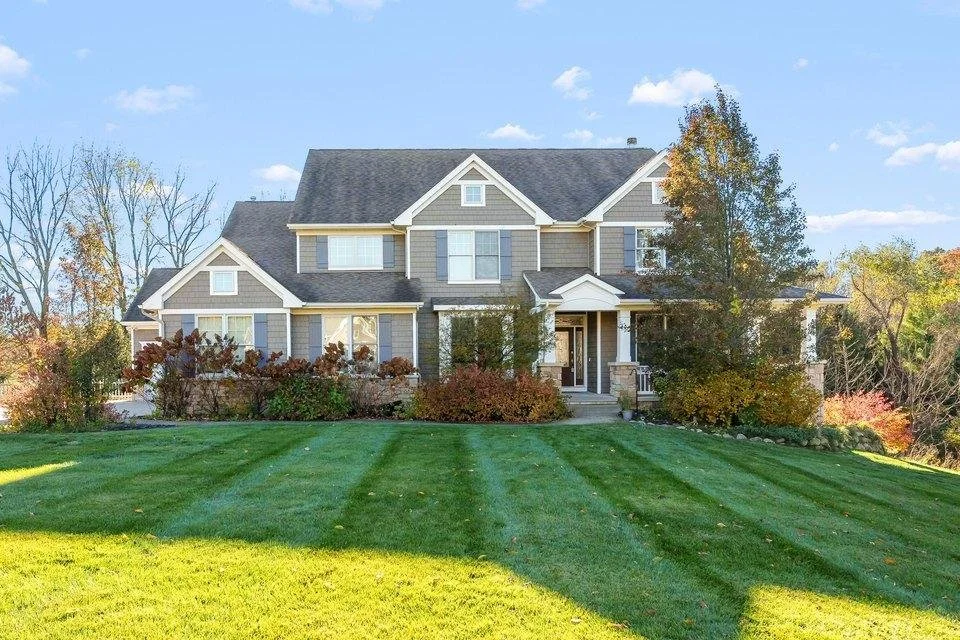
Illustrative home photograph.
Finding out your listing expired is frustrating, especially if you spent weeks keeping the house ready for showings or put your next move on hold. You may be wondering whether to lower the price, try again right away, or take the home off the market for a while. Start by looking at what actually happened while buyers had the chance to see it.
What should you do after your home listing expires? Confirm where things stand with your listing agreement, then review the price, exposure, showing access, and buyer feedback. Compare your home with the options buyers have today. If you still want to sell, use three steps: Review. Reposition. Relaunch. Move forward once you can explain what you’ll change, why it matters, and how you’ll tell whether it’s working.
What does it mean when a home listing expires?
An expired listing generally means the listing reached its scheduled end date without a sale. It is different from a listing that was withdrawn or temporarily taken off the market. Check the agreement you signed and any extensions. If you’re uncertain about your obligations or whether a protection period applies to a buyer who already saw the home, ask the brokerage to explain the relevant provisions before signing a new agreement.
An expiration tells you the original listing period ended. To learn why the home didn’t sell, look at the record. How was it priced relative to similar homes? How easy was it to find and tour? What did buyers say and do? Did the competition change during the listing period? Those questions give you a better starting point than guessing at a price cut.
1. Review what buyers saw and how they responded
Review the price against the homes buyers actually compared
Start with recent closed sales that are reasonably similar in location, size, style, condition, and features. Closed sales help you estimate what buyers were willing to pay. Then look at pending and active listings. Pending listings show which homes have attracted an accepted offer, though the final price may still be unknown. Active listings show the choices a buyer would have if your home went live today.
For example, suppose a Grand Rapids bungalow was originally priced alongside similar-size homes with updated kitchens and finished basements. If yours has an unfinished basement and an older kitchen, those differences belong in the pricing conversation. If your bungalow has a newer roof, a garage, or a lot feature the others lack, account for those too. A useful comparison explains the differences before it suggests a number. See our guide to pricing a home in West Michigan.
Look at exposure and access together
Open the original listing on a phone. Is the first photo clear and inviting? Do the photos show how the rooms connect? Are important facts such as above-grade living area, garage capacity, or a finished lower level described accurately? Ask which sites carried the listing and whether the price, photos, and property details appeared consistently there. A floor plan or a short walk-through can help buyers understand a layout they can’t piece together from individual photos.
Then compare online attention, showing requests, completed tours, repeat visits, and offers, using the figures you can actually obtain. In a hypothetical Hudsonville listing, online interest might look healthy while completed tours are scarce. If buyers had only a few narrow windows to get inside, try more appointment options before assuming you need to spend more on promotion. When traffic is low from the start, recheck the price bracket, lead photo, and distribution.
Use buyer feedback to look for patterns
One buyer who wants a different kitchen tells you about that buyer’s preferences. Several independent comments about the same feature deserve a closer look. Separate recurring concerns from one-off reactions and compare what buyers said with what they did. If they returned for second showings yet never made offers, ask whether a recurring concern, competing home, or transaction term could have made the difference.
Imagine a Jenison home where buyers repeatedly asked about a damp smell downstairs. Have the cause evaluated and get repair estimates if appropriate. Keep documentation and discuss what needs to be disclosed. If the recurring concern was cosmetic, like harsh lighting or scuffed trim, a focused weekend of work may be enough to improve the showing experience. Our guide to repairs before selling can help you decide where to start.
2. Reposition your home for the market you’re in now
Compare today’s competition and decide what to change
The West Michigan market can change during a single listing period. More homes may have entered your price range, competing sellers may have adjusted their terms, or financing costs may have changed what buyers can comfortably spend. Ask for a current look at relevant sales, active listings, price reductions, and time on market for homes like yours. A metro-wide headline can give context. For your decision, the most useful evidence is what is happening among the homes buyers could choose instead.
In a hypothetical Holland example, a resale home might compete with new construction in the same price range. Compare the full picture: likely monthly cost, included features, move-in dates, known maintenance needs, and any builder incentives with their conditions. If the resale offers immediate possession, established landscaping, or included appliances, make those specifics easy to find. If competing homes offer more space or more favorable terms, your pricing or offer strategy may need to reflect that.
Focus preparation on the concerns you can address
Prioritize active leaks, safety issues, broken essentials, and visible deferred maintenance. For a dated finish that still functions well, price out the improvement and ask whether it will solve a problem enough buyers actually have. Also consider the delay and disruption. An expensive project can tie up cash without improving your likely proceeds. Small, targeted improvements such as better lighting, touch-up paint, and clear walkways can help buyers see the house more clearly.
Give the marketing a specific job. Use current, accurate photos that show the property clearly. Lead with features buyers can verify, such as a dedicated office, a main-floor bedroom, or room dimensions. A house in Grandville with two distinct living spaces may benefit more from a labeled floor plan than from another paragraph of adjectives. Use the same accurate information across the places where your home is marketed.
Compare your likely net before choosing an asking price or concession
Ask for a seller net sheet that accounts for payoff, estimated closing costs, concessions, and agreed fees. A concession can help an eligible buyer with some upfront costs, subject to the buyer’s financing and the transaction terms. Compare that approach with an adjustment to the asking price. The two can have different effects on who sees the listing, what buyers can afford, and what you may take home after closing.
3. Relaunch with a plan you can measure
Write down what is changing before choosing the new go-live date. Set a launch price you can explain from current comparables, finish the priority work, and approve the updated photos and description. Decide which showing windows you can realistically offer, how feedback will be collected, and when you and your agent will review what happened. If you’re buying and selling together, make room for the financing, possession, and timing questions covered in our guide to selling and buying your next home.
Pick a first review date before you go live. At that check-in, look at completed showings, repeat visits, feedback, offers, and any changes in the competition. If traffic is lower than anticipated, check price, reach, and access. If buyers are touring without taking the next step, compare condition, perceived value, and terms again. An agreed review date gives you time to see a pattern and a clear point to act on it.
Expert insight from Sam Avila
Sam Avila, Associate Broker, Keller Williams Grand Rapids East
My advice is to start with two questions. What did buyers have to choose from when your home was listed? What would they choose from today? Put those answers beside what you learned from the showings. Then identify the two or three changes you can explain with evidence. If you pause, use the time to finish a repair, clarify your next move, or decide what proceeds you need. You’ll have a clearer basis for your decision when you’re ready.
Frequently asked questions after a home listing expires
Do I need to lower the price before I relist?
Only if the evidence supports it. If comparable sales and today’s competition point to a lower range, discuss a price change and how it would affect your likely net. If the biggest obstacle was access, incomplete property information, or a repair now completed, address that first and recheck the comparables before you choose a price.
How long should I wait before relisting?
Wait long enough to make the changes you have decided on and confirm any contractual timing requirements. A short break might be enough for photos, a market review, and updated showing instructions. A significant repair or a change in your next-home plan may need more time. Local MLS rules also affect how listing history and days on market are displayed. Ask your agent to explain those rules before you set expectations.
Can I relist with the same agent or choose a different one?
Either can make sense once you’ve confirmed the status and terms of your agreement. Ask any agent you interview to show the comparable sales, explain what will change in the next launch, describe how you’ll get feedback, and tell you when they would recommend reassessing the price or terms.
Should I take the home off the market for a while?
Taking a break can make sense if your plans changed, the expected proceeds no longer support the move, or you need time to address a material issue. Decide what would make you ready to try again. If you still need to sell soon, compare the cost of waiting with the work and changes you can realistically make now.
Home Listing RESET Checklist
Use this free checklist to turn your listing history into a short, practical plan.
Review. Confirm your agreement status, pull the original listing and photos, tally completed showings and offers, and write down recurring buyer feedback.
Reposition. Compare recent sales and active competition, identify one to three material changes, prioritize repairs, and estimate your net at a realistic price.
Relaunch. Approve updated photos and facts, set showing windows, agree on a launch date and first review date, and decide how you’ll measure the response.
If you’d like help reviewing your West Michigan listing, contact Sam Avila to talk through your options. You can also explore the Avila Home Group Seller’s Guide if you prefer to work through the steps at your own pace.
Sam Avila · Avila Home Group
Keller Williams Grand Rapids East · 1555 Arboretum Dr SE, Grand Rapids, MI 49546